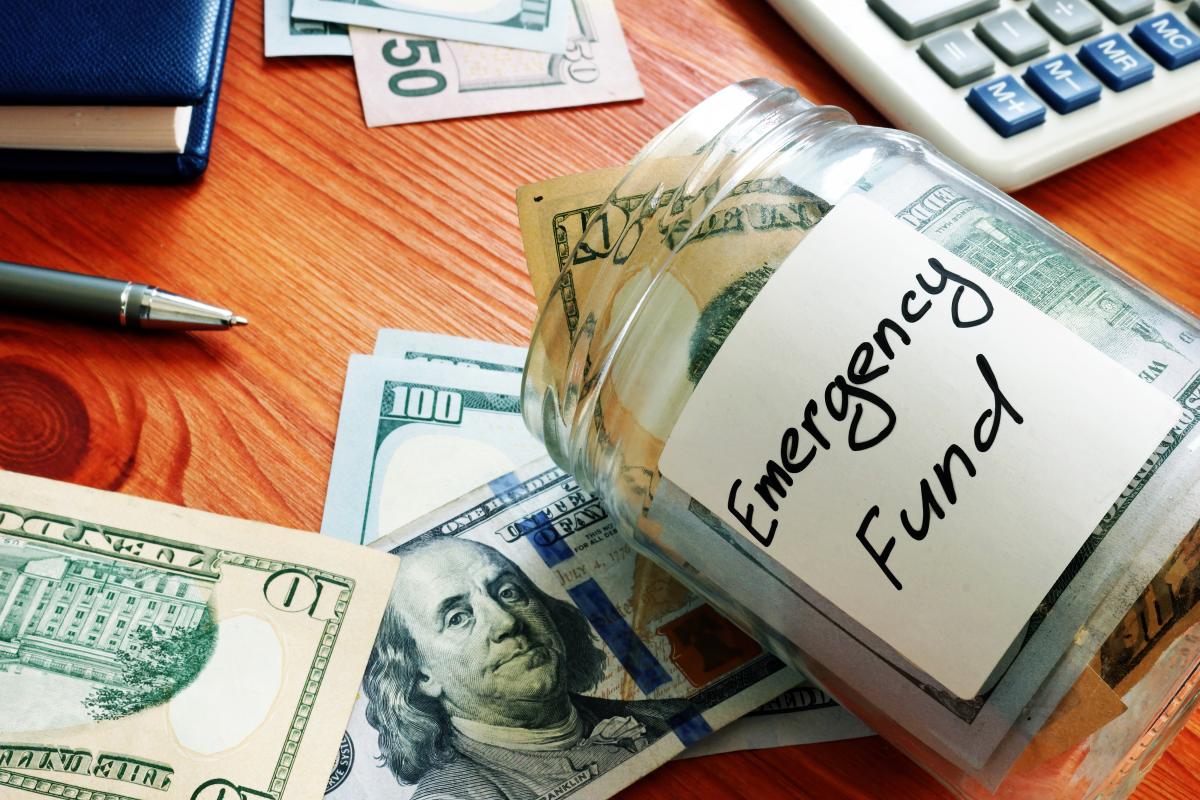
Why Emergency Reshapes Budget
Emergencies trigger a rapid change in financial priorities. For instance, a sudden job loss or medical crisis often requires immediate liquidity, which standard monthly budgeting does not anticipate. According to a 2023 Gallup report, 64% of Americans struggle to cover a $1,000 emergency expense without borrowing.
Take a household with a set budget dedicated to discretionary spending and savings. When a car breaks down unexpectedly, the cost of repair or replacement consumes a large portion of disposable income and can push months of savings to zero. Emergencies often remove the luxury of financial planning, demanding quick decisions under pressure.
Adjusting a money plan after such an event involves more than cutting costs; it means rethinking income streams, insurance coverage, and debt strategies. This fundamental shift is why so many skip proper emergency preparation—they underestimate the upheaval a single event can cause.
Common Financial Struggles
Many assume an emergency is just a short setback. Instead, it frequently causes cascading financial problems. One misstep: relying excessively on credit cards, incurring high-interest debt which compounds stress and delays recovery.
Emergency spending often disrupts multiple financial goals simultaneously. Buying medication swiftly reduces the amount available for retirement savings. Skipping debt payments temporarily might seem like a relief, but it harms credit scores and increases loan costs later.
An actual example: after Hurricane Ian in 2022, FEMA data showed that 40% of affected households experienced difficulty paying basic expenses for more than three months. This downward domino effect forces people into making tough compromises on housing, education, or food.
Emergencies reveals where personal finances lack breathing room. Not having at least three months’ worth of expenses saved is a vulnerability many ignore until it’s too late.
Ways to Adjust Your Plan
Review and Prioritize Expenses
After an emergency, trim expenses by distinguishing between critical and flexible costs. You must cover housing, utilities, food, and medical needs first. Non-essential subscriptions, dining out, and luxury items are cut until stability returns.
Apps like You Need a Budget (version 6.4) help track spending with real data, showing exactly where cuts happen. Dropping $150 monthly subscriptions gained from past promotions doesn’t feel fun, but frees enough cash to cover new priorities.
Boost Liquidity Quickly
Cash is king, especially in tight spots. Sell unused items through platforms like eBay or Facebook Marketplace for rapid inflow. Temporarily redirect paycheck allocations into an easily accessible emergency fund rather than a long-term investment.
Fast access to $500–$1,000 can ease immediate pressure and prevent resorting to payday loans, which charge fees up to 400% APR, a trap that slows recovery.
Adjust Debt Payments Strategically
Call lenders and explain the emergency situation. Many banks offer hardship programs, paused payment options, or reduced interest rates temporarily. You save money and protect your credit score.
For example, Chase Bank often provides hardship deferment on mortgages incorporating two- to three-month payment pauses during verified emergencies. Don’t just stop payments without contacting the lender.
Revisit Insurance Coverage
Emergencies expose insurance gaps. Evaluate health, auto, home, and disability policies immediately. Upgrading policies after loss prevents repeat hardship.
A costly lesson: many skip rental insurance thinking it's unnecessary, which means no compensation if possessions get destroyed during a flooding incident like 2021’s Tennessee floods.
Create a Short-Term Income Boost Plan
Side gigs such as driving for Uber, freelance writing via Upwork, or selling crafts on Etsy can shore up finances fast. Chunking time for 10–15 extra hours weekly produces $300–$600 in additional income, temporarily shrinking the financial shortfall.
Set a New Saving Target
Incremental is smarter than zero. After an emergency, start rebuilding savings with $25 weekly deposits, increasing as stability returns. The Federal Reserve’s recommendation to hold three to six months’ living costs provides a clear goal.
Track Progress With Software
Use tools like Mint or Personal Capital to monitor changes, create alerts when you stray from new budgets, and visualize recovery. A simple graph is more motivating than spreadsheets.
Real Cases of Recovery
Case 1: A mid-sized retail chain faced supply chain shocks from a 2023 storm. Their emergency fund ran dry quickly. By cutting marketing expenses by 40%, increasing digital sales channels, and applying for SBA disaster loans, they restored positive cash flow within six months. Revenue bounced from $2 million to $2.3 million despite challenges.
Case 2: An individual freelancer lost a client unexpectedly. They paused non-essential subscriptions, negotiated partial rent deferment, and picked up temporary consulting work via LinkedIn, which ironically grew their network. Within four months, debt was reduced by 30% and emergency savings rebuilt.
Emergency Prep Checklist
| Task | Details | Target | Recommended Tool |
|---|---|---|---|
| Emergency Fund | Cash savings covering fixed expenses | 3-6 months cost | Ally Bank High-Yield Savings |
| Debt Management | Negotiate pauses/reductions | Active communication | Credit Karma for status |
| Insurance Review | Update policies to fill gaps | Every 12 months | Policygenius online quotes |
| Expense Audit | Monthly expense review | Monthly | YNAB, Mint |
What People Often Miss
Too many wait until the emergency is upon them, then scramble. Building an emergency fund takes time and discipline, not instant fixes.
Ignoring the smallest payments on debts because ""it’s just a little"" causes missed deadlines and fees. Missing just one payment can lower credit score by more than 20 points, which, frankly, most skip considering the long-term harm.
Skipping insurance reviews after years of coverage means you might miss critical exclusions becoming relevant—like sudden health pandemics or climate-related disasters.
Failing to communicate with lenders or service providers leaves many stuck with unnecessary penalties, when often companies do offer options under hardship programs.
FAQ
How much should I save for emergencies?
Save enough to cover three to six months of essential living expenses. This typically includes rent or mortgage, utilities, food, and minimum debt payments.
Can I use credit cards to manage emergencies?
It’s possible but risky. High interest rates can increase debt quickly. Use credit cards only if you have a plan to repay rapidly to avoid spiraling costs.
What types of insurance matter most for emergencies?
Health, disability, home or renter’s, and auto insurance generally cover common emergencies. Review your policies to understand coverage limits and exclusions.
When should I revisit my budget after an emergency?
Immediately after the event and then monthly. Emergencies change priorities, so regular reassessment helps restore balance and control quickly.
Are emergency loans advisable?
They can be but only with low interest and favorable terms, like SBA disaster loans. Avoid payday loans or high-interest options that trap you in debt.
Author's Insight
Having managed finances for clients after multiple unexpected setbacks, I’ve seen how unpreparedness amplifies distress. Small, consistent savings before trouble pay off hugely later. Also, direct conversations with creditors saved many from costly defaults, a step often overlooked. My advice: treat emergency readiness as active management, not a passive goal.
What to Remember
Emergencies disrupt financial plans by shifting cash flow and priorities suddenly. A money plan must adjust through expense reprioritization, boosting liquid funds, renegotiating debts, and ensuring adequate insurance. Consistent tracking and gradual rebuilding of savings restore security. Avoiding common mistakes like ignoring payment pauses or insurance reviews hastens recovery and prevents deeper trouble.