Modern Capital Evolution
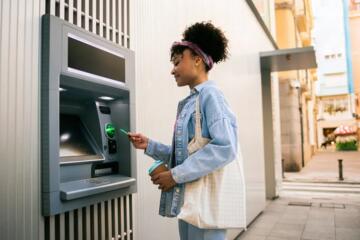
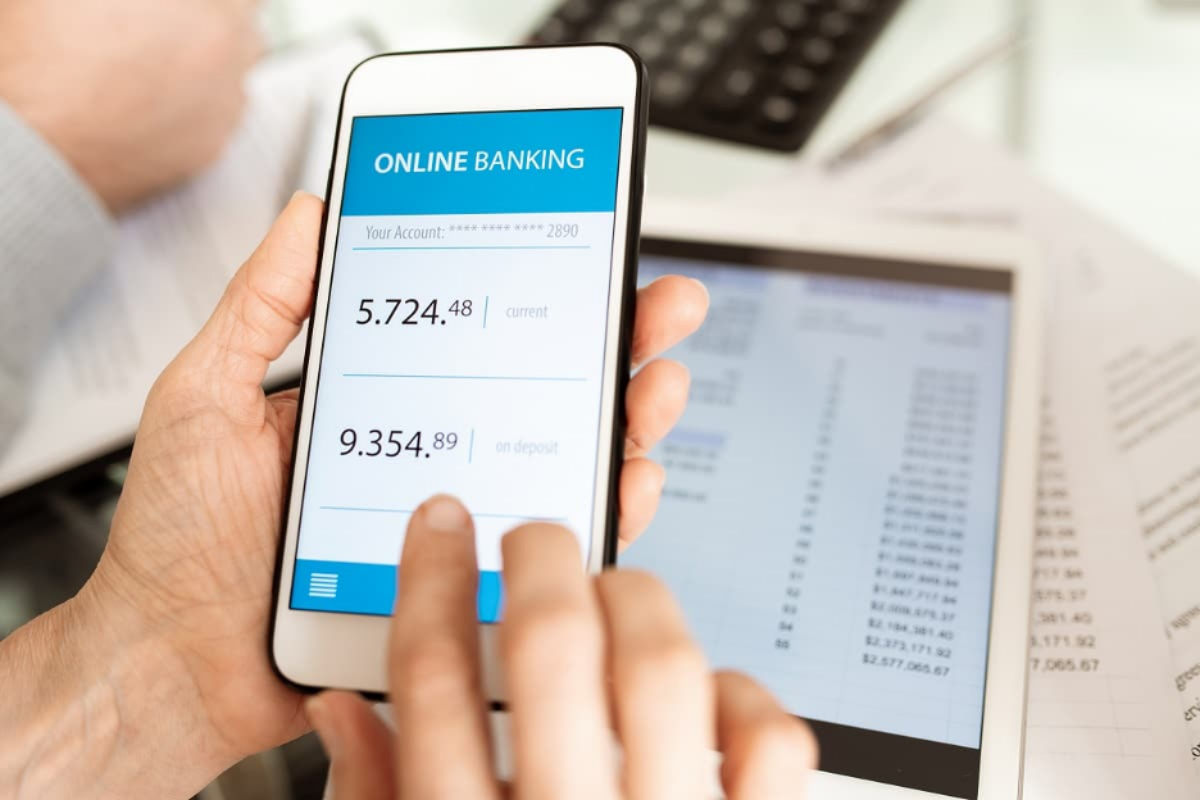
The banking landscape has fractured into two distinct ideologies: one built on physical infrastructure and another built on cloud-based efficiency. Traditional banks, such as JPMorgan Chase or Bank of America, operate on a "high-touch" model, maintaining thousands of branches and an army of in-person advisors. Conversely, online banks like Ally Financial or SoFi have stripped away the physical overhead to offer aggressive interest rates that legacy players simply cannot match.
In practice, this means a customer at a digital bank might earn a 4.25% APY on a savings account, while a major national bank might offer a negligible 0.01%. For a balance of $50,000, that is a difference of over $2,100 in annual passive income. The shift isn't just about apps; it's about where the bank’s profit margin goes—back to the customer or into real estate maintenance.
Statistically, the adoption of digital-only banking is skyrocketing. Recent data indicates that over 27% of US adults now use an online bank as their primary financial institution, a number expected to surpass 35% by 2027.
Financial Friction
The most significant mistake consumers make is "loyalty inertia." Many stay with traditional banks because of a perceived sense of security, failing to realize that online banks carry the same FDIC insurance (up to $250,000 per depositor). This inertia costs the average American hundreds of dollars in "zombie fees"—monthly maintenance charges that serve no purpose other than supporting the bank's administrative bloat.
Another pain point is the "cash friction" found in digital models. If your business deals heavily in physical currency, an online bank becomes a logistical nightmare. Without a branch to deposit cash, users often resort to expensive third-party services or money orders.
Failing to diversify is the third major pitfall. Relying solely on a digital platform can be risky during technical outages or fraud investigations. If an algorithm flags a transaction and freezes your account, not having a physical person to visit can lead to weeks of financial paralysis.
Strategic Optimization
Maximize Yield through "Rate Hopping"
To combat inflation, you must move your "lazy money" out of traditional checking accounts. Digital banks operate with an efficiency ratio significantly lower than physical banks. Use platforms like Wealthfront or Betterment for your emergency fund.
-
Action: Move any balance exceeding one month of expenses into a High-Yield Savings Account (HYSA).
-
Result: A $10,000 emergency fund generates $400+ annually instead of $1.
Leverage Hybrid Banking Architectures
The most sophisticated approach is not "either/or" but "both." Maintain a basic, fee-free checking account at a local credit union or a bank like Capital One (which offers a hybrid model) for cash deposits and notary services. Use a digital powerhouse like Revolut or Monzo for daily spending and international travel to avoid the 3% foreign transaction fees typical of legacy banks.
Automated Financial Hygiene
Online banks excel at "buckets" or "vaults." Ally Bank, for instance, allows you to partition your savings into specific goals without opening multiple accounts.
-
How it works: Set up an "Auto-Save" feature that rounds up transactions or pulls a fixed percentage of every deposit.
-
The Service: Use Mercury for business or Qapital for personal finance to automate tax set-asides and recurring investments.
Advanced Security Protocols
Traditional banks often rely on outdated SMS-based two-factor authentication (2FA), which is vulnerable to SIM-swapping. Digital-native banks like Mercury or Varo typically support hardware keys (YubiKey) or app-based authenticators.
-
Recommendation: Switch your primary financial hub to a provider that supports TOTP (Time-based One-Time Password) rather than text messages.
Optimizing Business Cash Flow
For entrepreneurs, digital platforms like Bluevine or Relay offer better integration with accounting software like QuickBooks. They allow for multiple debit cards with granular spending limits, something that requires a "commercial" account and high fees at traditional institutions.
Performance Comparison
Case Study 1: The Freelance Consultant
Client: A freelance graphic designer earning $120,000 annually.
Problem: Paying $25/month in maintenance fees at a legacy bank and earning $0 interest on a $30,000 tax reserve.
Action: Migrated to Found (a digital bank for freelancers).
Result: Eliminated the monthly fee ($300 annual saving) and placed the tax reserve in an account earning 4%. The consultant gained $1,500 in annual value and automated their quarterly tax estimates.
Case Study 2: The Local Retailer
Client: A boutique coffee shop owner.
Problem: Attempted to use a digital-only bank for business, but struggled with $5,000/week in cash deposits.
Action: Switched to a hybrid model using a local Credit Union for daily cash drops and Wise for international bean imports.
Result: Reduced currency conversion fees by 4% per transaction while maintaining the ability to deposit physical cash daily.
Digital vs. Physical
| Feature | Online Banks (e.g., Chime, Ally) | Traditional Banks (e.g., Wells Fargo) |
| Average APY | 4.00% – 5.00% | 0.01% – 0.05% |
| Monthly Fees | Usually $0 | $10 – $35 (waivable with high balance) |
| Cash Deposits | Difficult (Retail partners only) | Easy (ATMs and Tellers) |
| Technology | Mobile-first, sleek UI | Often legacy systems, clunky apps |
| Customer Support | Chat/Phone only | In-person, dedicated bankers |
| ATM Access | Reimbursed fees or large networks | Owned network only |
Implementation Errors
Ignoring the "Fine Print" on Teaser Rates
Many digital banks offer a high introductory rate that drops after three months. Always check the "ongoing" rate.
-
Fix: Read the Truth in Savings disclosure. If the rate is tiered (e.g., only applies to the first $5,000), it may not be worth the move.
Overlooking Bill Pay Lag
Traditional banks have robust, albeit ugly, bill-pay systems that are often faster for sending physical checks to landlords or small vendors.
-
Fix: If using an online bank, ensure they offer "Check Sending" services and allow 5–7 days for delivery.
Mismanaging ATM Limits
Digital banks often have lower daily withdrawal limits (e.g., $500).
-
Fix: If you anticipate a large cash purchase, call ahead or use a hybrid account to withdraw larger sums.
Neglecting Joint Account Functionality
Not all "neobanks" handle joint accounts well. Some require both users to have individual accounts first, creating a messy user experience.
-
Fix: Use Wealthfront or SoFi if joint access is a priority; they have the most mature shared-account interfaces.
FAQ
Are online banks as safe as traditional banks?
Yes, provided they are FDIC-insured. Always check the bottom of the bank's website for the "Member FDIC" logo. Some fintechs are not banks themselves but partner with banks (like Coastal Community Bank) to provide insurance.
How do I deposit cash into an online bank?
Most use a retail network. For example, Chime users can deposit cash at Walgreens or 7-Eleven locations, though these retailers may charge a small transaction fee (typically $4.95).
Can I get a mortgage through an online bank?
Yes, and often with lower origination fees. Digital lenders like Rocket Mortgage or Better.com operate similarly to online banks, using automation to reduce the overhead costs associated with loan officers.
What happens if an online bank's app goes down?
This is the primary risk. Most have web-based portals as a backup. However, keeping a "emergency" credit card from a different institution ensures you have purchasing power during a technical glitch.
Do online banks offer wire transfers?
Some do, but many "neobanks" (like Chime) do not support outgoing domestic or international wires. If you are buying a home and need to wire a down payment, you will need a traditional account or a full-service online bank like Ally.
Author’s Insight
In my decade of tracking financial technology, I have observed that the most successful individuals treat their bank accounts like tools in a kit, rather than a lifelong marriage. I personally use a legacy bank for my mortgage and safety deposit box, but 90% of my liquid capital stays in a digital high-yield environment. My strongest advice is to stop settling for "convenience" that costs you 4% in lost interest every year. Automation is your best friend; let the algorithms handle the math while you focus on earning.
Summary
The choice between online and traditional banking is not a zero-sum game. Traditional banks offer the security of physical presence and complex product suites, while online banks provide the high-yield growth and fee-free structures necessary for modern wealth accumulation. To optimize your finances, open a high-yield digital account today for your savings and keep a local account for physical necessities. This "barbell strategy" ensures you capture the highest possible returns without sacrificing the reliability of a human-centric institution.