Popular Articles
 Personal Finance
20.10.2026
Cash Flow Gaps: Finding Your True Monthly Buffer
Cash flow gaps happen when bills and irregular expenses arrive faster than income. This guide helps readers who want reliable budgeting understand what creates gaps, how to measure a true monthly buffer, and how to stress-test it against real timing issues like pay dates, insurance renewals, and car repairs. You’ll learn a practical method, common mistakes to avoid, and simple checklists to decide how much buffer to keep.
 Personal Finance
14.10.2026
Debt Avalanche vs Snowball: Interest Cost by APR Gap
Debt Avalanche vs Snowball compares two repayment orders using the APR gap between debts. This guide fits readers with credit cards, personal loans, or mixed balances who want to estimate interest cost, avoid common traps, and choose a plan that matches their cash flow. You’ll learn how APR differences change total interest, when the “gap” matters most, and how to run a simple scenario check before committing.
 Personal Finance
05.10.2026
How to Set Money Goals That Actually Stick
Money goals fail when they stay vague, ignore cash-flow reality, or rely on willpower alone. This article helps readers set goals that survive real spending, irregular income, and account friction. You’ll learn how to turn intentions into measurable targets, choose time horizons, build a simple tracking system, and adjust when life changes. Practical examples show how to plan for emergencies, debt, and saving without creating new stress.
 Personal Finance
29.09.2026
Why a Money Check-In Beats a Strict Budget
Money check-ins track spending and balances on a regular schedule, while strict budgets try to force every dollar into fixed categories. This guide helps readers who want better control without constant math, using practical steps, realistic targets, and common pitfalls to avoid. You’ll learn how to set a check-in rhythm, review transactions, spot patterns, and adjust plans without guilt. It also covers how to handle irregular bills and why check-ins reduce decision fatigue.
 Personal Finance
23.09.2026
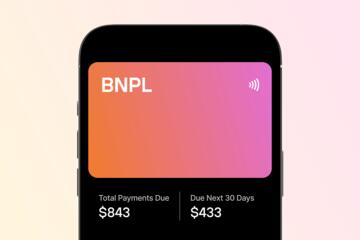
The Real Cost of Buying Things on Installments
Buying on installments can spread payments, but the total cost often changes through interest, fees, and trade-offs like longer debt time. This article explains how installment plans work in plain terms, what costs to look for in the contract, and how to compare offers using the numbers that matter. It’s for shoppers who want to avoid surprise charges and make safer decisions, with practical checklists and example scenarios.
 Personal Finance
17.09.2026
Sinking Funds vs Savings: A Practical Comparison
Sinking funds and savings both move money toward future needs, but they behave differently in real budgets. This guide helps readers who manage household costs, health-related expenses, and irregular bills compare the two approaches. You’ll learn how each method works, where people misjudge timing and risk, and how to set up a plan that matches cash-flow reality. Includes examples, a decision checklist, and common mistakes to avoid.
 Personal Finance
11.09.2026
How to Spot the Leaks in Your Monthly Spending
Monthly spending leaks hide in subscriptions, fees, and “small” purchases that never stop. This guide helps health-focused readers track spending patterns without guesswork, using bank exports, category rules, and a simple review cadence. You’ll learn common failure points, how to audit recurring charges, how to set realistic targets, and how to test changes with a short experiment. Includes anonymized examples, a checklist, and practical FAQs.
 Personal Finance
05.09.2026
Why Cash Flow Matters More Than Your Salary
Cash flow describes how money moves in and out of your household or business over time, while salary describes only one inflow. This guide helps readers who earn wages understand timing gaps, debt cycles, and bill pressure. You’ll learn how to map cash flow, spot common failure points like credit-card float and irregular expenses, and choose practical tracking habits. Includes examples, a checklist, and an FAQ for real-world budgeting decisions.
 Personal Finance
30.08.2026
The Quiet Power of a No-Spend Week
A no-spend week is a short, structured pause from non-essential spending that can reduce financial stress and help you spot spending patterns. This guide is for people who want a practical, health-adjacent approach to calmer routines without pretending money problems are medical issues. You’ll learn how to define “no-spend,” set rules for bills and groceries, track triggers, and use simple tools to measure results. Includes realistic scenarios, a checklist, and common mistakes to avoid.
 Personal Finance
24.08.2026
What Pay-Yourself-First Really Means in Practice
Pay-yourself-first is a budgeting method where saving happens before spending, so your goals get funded even when bills arrive. This guide explains what the rule means in real bank workflows, how to choose an amount and account type, and how to avoid common traps like overdrafts and “phantom” savings. You’ll learn practical steps, example scenarios, and a decision checklist to set up a system you can actually maintain.