What Down Payments Cover
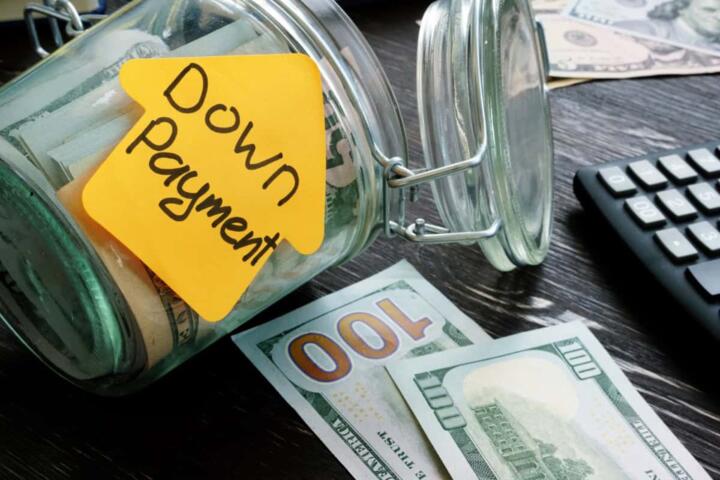
A down payment represents your initial equity stake when buying a property, typically expressed as a percentage of the purchase price. For example, a 20% down payment on a $300,000 home amounts to $60,000 upfront. That stake doesn’t just reduce the principal; it shapes your loan’s risk profile, monthly payments, and even the interest rate. A $20,000 down payment versus $60,000 can mean the difference between needing private mortgage insurance (PMI) and avoiding it entirely. PMI alone often tacks on an extra 0.5%-1% annually, which can add hundreds of dollars monthly on a $240,000 mortgage. Real estate firms and lenders like Quicken Loans and Zillow often highlight the impact of down payments on financing terms, but the true picture is more intricate.
Yes, you buy part of the home, but also a buffer against lender risk and extra fees. Consider that on a $400,000 house with a 10% down payment, your mortgage covers $360,000 plus PMI, while a 25% down payment eliminates PMI, lowers monthly bills, and can improve the interest rate by 0.25 points or more. That savings alone can offset thousands over the lifetime of a 30-year mortgage.
Common Misconceptions
Many assume a down payment exclusively reduces loan size; this misses key effects on loan terms and ongoing costs. Buyers often underestimate PMI impact or overestimate the cash needed upfront. For instance, first-time homebuyer programs, such as those by FHA or VA, require down payments as low as 3.5% or zero, but come with trade-offs in mortgage insurance. Ignoring this inflates monthly costs post-purchase. Some buyers plan their entire budget around the purchase price, forgetting closing costs, appraisal fees, and escrow deposits, all separate from the down payment.
These mistakes cause loan denials or unexpected expenses that delay move-ins. Sometimes, buyers opt for a minimum down payment just to get into a home, only to be burdened by higher payments — they never actually saved money upfront. In reality, down payments influence credit score requirements and can affect approval odds. Many lenders harden standards below 10% down. Because lenders see larger down payments as reduced default risk, they offer better rates and terms. If you miss that, your supposed savings can backfire.
Payment Steps that Matter
Calculate Your True Budget
Start by mapping how much you can afford after including not just the down payment but taxes, insurance, and fees. For example, Monthly Principal, Interest, Taxes, and Insurance (PITI) payments on a $400,000 home with 20% down run nearly $1,900 assuming a 6% interest rate. Drop that to 5%, and PMI might add $150 monthly. Use calculators from Bankrate or NerdWallet for precise impacts.
Target 20% Down to Cut PMI
Paying 20% or more upfront eliminates PMI, which can save $1,000 annually for median-priced homes nationwide. It often also qualifies you for the best mortgage rates. PMI insurers include names like MGIC and Radian; their fees vary but typically hover around 0.5%-1.5% annually of the loan amount. Higher PMI adds subtle but costly monthly burdens.
Shop Different Loan Types
Government-backed loans (FHA, USDA, VA) offer lower down payment options but add mortgage insurance lines that last until refinancing or loan paydown. VA loans waive down payment altogether but require a funding fee between 1.4%-3.6%. Weigh these against conventional loans where larger down payments reduce overall costs.
Choose Timing Carefully
Putting money down early secures rate locks and buys negotiating power. Sellers perceive buyers with larger down payments as more serious. In 2019, statistics from the National Association of Realtors (NAR) showed deals with 20%+ down close about a week faster.
Leverage Employer or State Programs
Some states provide down payment assistance up to $10,000 or more with income or location restrictions. Programs like California’s CalHFA or New York’s SONYMA lower upfront cash needs but may require repayment at sale or with interest.
Boost Your Credit Score Beforehand
Stress right here: better scores mean better rates. Improving your FICO score from 680 to 740 can shave 0.5% or more on a mortgage rate. That changes your monthly payment significantly, a factor lenders weigh alongside down payment size.
Use Savings vs. Investment Wisely
Cash for down payments isn’t just locked away; it stops working in investments or retirement funds. Calculate opportunity cost against mortgage savings. In 2023, average stock market returns hovered near 7%, so a 6% mortgage rate means little net gain with money tied up in down payment, a subtle but real consideration.
Plan for Home Repairs Early
Down payment isn’t what you need for immediate move-in repairs or new appliances, which separate budgets should cover. Overlooking these will stretch finances post-closing. Surveys suggest first-year homeownership costs can add 1%-3% of home value annually in maintenance.
Lock In with Lender Preapproval
Preapproval requires a clear down payment plan but gives you a realistic loan and home price limit. Lenders like Wells Fargo or Chase allow document upload, streamlining the application for faster responses, which, unquestioningly, helps in competitive markets.
Practical Examples
A couple in Austin bought a $350,000 condo in 2022 with 10% down ($35,000). They faced $180 monthly PMI fees. Refinancing with 20% equity two years later cut payments by $230 monthly, saving $2,760 annually. The initial saving on cash almost doubled in those two years of payments alone.
Another buyer in Seattle chose a 25% down mortgage on a $600,000 house, investing $150,000 upfront. With a 30-year fixed rate near 5.5%, this lowered his monthly P&I by about $350 compared to a 10% down scenario, besides avoiding PMI and facilitating faster home equity build-up.
Down Payment Comparison
| Down Payment | Loan Size | Monthly PMI | Interest Rate |
|---|---|---|---|
| 5% | $380,000 | $200+ | 6.00% |
| 10% | $360,000 | $150+ | 5.75% |
| 20% | $300,000 | $0 | 5.50% |
| 25% | $285,000 | $0 | 5.25% |
Common Buyer Pitfalls
Rushing to the minimum down payment ignores PMI and interest goals. Missing these costs leads to surprise bills after move-in. Some buyers exhaust savings entirely, ignoring emergency funds. This leaves no room for urgent repairs or unexpected expenses — a trap many fall into. Others don’t check loan program eligibility properly and use conventional assumptions on loans asking for 0%-3% down.
Credit mismanagement before application also bites: maxed cards or recent defaults hike rates or cause denial. Then, failing to budget for closing costs — typically 2%-5% of purchase price — sends deals sideways. Skipping lender preapproval means buyers chase unaffordable homes, wasting time and money on inspections and appraisals. All these errors stack up unpredictably.
FAQ
What is a typical down payment?
Most buyers put down between 5% and 20%. Conventional loans usually require at least 5%, while FHA can be as low as 3.5%, and VA loans sometimes none at all.
Does a higher down payment always get better rates?
Higher down payments often improve rates but not guaranteed. Credit score and loan type weigh heavily too.
Can I use gift money for a down payment?
Yes, many lenders allow verified gift money with a letter from the donor confirming no repayment.
How does down payment affect monthly payments?
Bigger down means smaller loans, less interest, and no PMI — reducing monthly payments substantially.
Are there programs with zero down payment?
Yes, VA loans offer zero down for eligible veterans; USDA loans do so in qualifying rural areas.
Author's Insight
After evaluating dozens of loans for clients, I’ve seen that paying a higher down payment does more than just lower monthly bills. It signals financial readiness to lenders — often tipping approval odds in a competitive field. Still, it’s not always wise to stretch cash reserves thin. I recommend balancing down payment size with comfort reserves. If PMI costs frustrate you, aim for 20%, but don’t let that stall homeownership forever.
Key Points
Your down payment buys reduced loan size, lower monthly costs, and avoidance of pesky fees like PMI. Larger payments improve your mortgage terms and equity position quickly. Use calculators from trusted sites to determine what fits your financial picture. Budget beyond the down payment for closing and repairs. Consider local assistance programs too. Ultimately, size your payment to help you settle in with peace of mind and manageable future expenses.