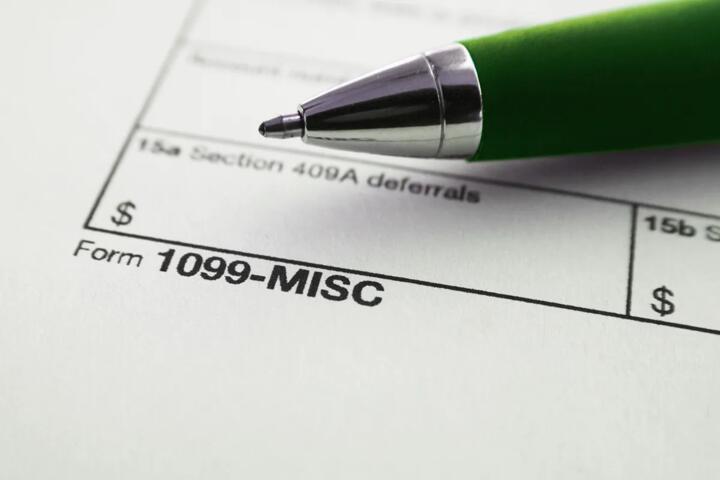
Learning W-2 and 1099 Forms
W-2 and 1099 forms serve as official IRS documents signaling different work and tax scenarios. A W-2 reports wages from an employer, showing income tax withheld, Social Security, and Medicare deductions. By contrast, a 1099 (often the 1099-NEC) reports income earned by independent contractors without withholding taxes. In 2022, over 157 million W-2s and 44 million 1099-NECs were filed, highlighting their widespread use.
For example, an employee at a retail chain receives a W-2 after year-end summarizing annual earnings and tax deposits. A freelance graphic designer gets a 1099-NEC from clients paying for projects. The IRS uses both forms to cross-check income reported by individuals. The two forms imply different tax responsibilities and benefits.
You might notice the paycheck deposit looks simpler with a W-2, but 1099 payees juggle filing taxes themselves, including quarterly payments.
Common Confusions and Issues
People often assume that 1099 income means higher pay or more flexibility. Yet the trouble begins at tax time: no taxes withheld means budgeting for larger payments later. Misclassification also causes headaches. Businesses sometimes wrongly label employees as contractors to dodge payroll taxes, triggering penalties and audits.
Ignoring these distinctions can lead to underpayment of taxes or missed deductions. Many independent workers don’t track expenses properly, which hurts their deductions and inflates tax bills. Employees, meanwhile, might overlook benefits they receive tied to W-2 status, like unemployment insurance.
IRS fines for payers and payees can climb well over $500 per error on misreported forms. Real companies have faced six-figure penalties for this—something many freelancers aren’t prepared to handle.
How to Manage Income Types
Track Earnings and Expenses Diligently
Accurate record-keeping simplifies tax filing and avoids surprises. Use tools like QuickBooks Self-Employed or Wave accounting to record 1099 income and related costs as you go. This habit lowers audit risk and improves deductions. For instance, contractors can deduct home office costs, mileage, and supplies—sometimes reducing tax liability by thousands.
Understand Tax Withholding and Payments
W-2 employees see tax withholdings on each paycheck, easing end-of-year filing. 1099 workers hold full responsibility for estimated taxes, generally due quarterly. Missing these payments often accrues penalties and interest. IRS Form 1040-ES helps compute payments, but many rely on tax pros or software like TurboTax Self-Employed for guidance.
Review Classification Status Annually
Verify your worker classification every year, especially if your work arrangement has evolved. Misclassification triggers IRS scrutiny. The IRS Form SS-8 can request an official determination if confused. Employers — and workers — benefit from clarity upfront to avoid costly disputes.
Maximize Available Benefits and Deductions
Employees enjoy employer-sponsored benefits like health insurance and retirement plans, often unavailable to contractors. Conversely, 1099 earners can deduct several business expenses absent for W-2 workers. Using tax pros helps here; I’ve seen contractors reduce taxable income by up to 30% through savvy deductions.
Maintain Backup Documentation
Save invoices, contracts, and payment proofs. These documents support deductions and verify income during audits or IRS queries. Digital storage solutions like Dropbox or Evernote make retrieval easier and reduce risks of losing paper receipts.
Plan for Retirement Independently
1 out of 3 freelancers skip retirement planning compared to employees with workplace plans. But 1099 workers can open SEP IRAs or Solo 401(k)s, with contribution limits up to $66,000 in 2023. Contributing early and tracking contribution limits boosts long-term saving security.
Consider Hiring a Tax Specialist
Complex 1099 situations demand expertise. Professionals spot deductions and avoid errors that software may miss. Costs vary from $300 to over $1,000 annually but often save money in refunds or penalty avoidance, a good tradeoff for peace of mind.
Estimate Taxes Quarterly
Track income monthly to avoid shocking tax bills. Set aside about 25-30% of earnings for taxes. Use IRS online calculators or apps like TaxAct that provide alerts when due dates approach.
Utilize IRS Resources
The IRS offers publications and webinars on worker classifications and tax responsibilities. Checking IRS.gov can clarify frequent doubts, despite the often dense tax jargon involved.
Real-World Examples
A mid-size software development firm with 50 employees misclassified 15 contract developers as 1099 workers. Following an IRS audit triggered by a whistleblower, they owed $200,000 in back payroll taxes and penalties. They rectified status, started proper tax withholding, and implemented a compliance review that avoided future fines.
On the freelancer side: An independent photographer billing $75,000 yearly before taxes used TurboTax optimized for the self-employed, tracking $15,000 in deductible expenses, including equipment and travel. After consultation with her accountant, she lowered her taxable income by 20%, reducing her expected IRS payment by over $4,000 that year.
Form Comparison
| Feature | W-2 | 1099-NEC | Typical Use |
|---|---|---|---|
| Tax Withholding | Automatic | No withholding | Employees |
| Tax Filing | Simpler, annual | Complex, estimated taxes | Contractors |
| Benefits | Health, retirement | No employer benefits | Paid gigs |
| IRS Penalties | For misclassification | For missed payments | Tax compliance |
Errors and Avoidance
Reporting mistakes happen often. Entering wrong Social Security numbers, mixing income types on forms, or missing deadlines lead to IRS notices. To avoid, double-check all figures and identities before submission. Missing a 1099 deadline alone can cost $280 per form.
Confusing the two forms tips off IRS audits often. Don’t file a 1099 for an employee just to simplify paperwork—the IRS flags this quickly. Also, don’t ignore estimated taxes if you receive a 1099; the IRS fines compound quickly.
Many skip keeping backup documents; fight this urge. Without receipts or contracts, deductions vanish. Take photos of every invoice or purchase; digital copies save time and headache later.
FAQ
What defines a W-2 worker?
A W-2 worker has employee status with employers withholding income and payroll taxes.
When do I get a 1099 form?
If you work as an independent contractor earning $600 or more from a client, they must send a 1099-NEC.
Can I file taxes without either form?
Yes, but you must report all income accurately. Forms support claims but aren’t the only method to report earnings.
Are benefits included in a 1099?
No, contractors don’t receive employer benefits like health insurance or paid leave.
What happens if I misclassify workers?
The IRS may impose fines, back taxes, and penalties on the employer, sometimes exceeding six figures in larger cases.
Author's Insight
Over 15 years advising small businesses and contractors, I’ve seen confusion over these forms create costly tax mistakes. Knowing your filing duties early saves stress. I recommend clients use apps like QuickBooks for real-time tracking and consult accountants annually. Independence can pay off, but it demands extra diligence.
Final Thoughts
W-2 and 1099 forms reflect distinct worker roles, tax obligations, and benefits. Track income and expenses closely, meet filing deadlines precisely, and seek professional advice when needed. Avoid misclassification and prepare quarterly payments if on a 1099 to dodge penalties. Your paperwork decisions affect taxes, social security credits, and future retirement savings.