Savings & Budgeting Lead Expertise: High-Yield Accounts • Emergency Funds • Behavioral Finance Education: M.S. in Behavioral Science, Duke University Bio: Elena’s background in psychology allows her to tackle the "why" behind spending. She specializes in creating sustainable saving habits that don’t feel like a sacrifice. Her work has been featured in The Wall Street Journal and Forbes. She is based in Austin, Texas. How I Think About Money: "Savings shouldn't feel like a chore. I focus on 'automated peace of mind'—setting up systems that save for me so I can spend my mental energy on things that actually bring me joy."
Author
Elena Rodriguez
Latest Articles
Savings
How to Save $1,000 Fast (Realistic Strategies)
Building a four-figure financial cushion rapidly requires a tactical pivot from passive budgeting to aggressive liquidity management. This guide provides a blueprint for individuals facing unexpected expenses or those seeking to establish an emergency fund without relying on high-interest debt. By leveraging high-yield micro-optimization, strategic asset liquidation, and the gig economy's current trajectory, you can bridge a $1,000 gap in 30 days or less. We move past generic advice to focus on high-impact, verifiable financial maneuvers.
Savings
Best Ways to Build an Emergency Fund
Building a financial safety net is the fundamental pillar of personal solvency, yet most households remain one car repair away from debt. This guide provides a strategic blueprint for constructing a liquid reserve that shields your long-term investments from short-term volatility. By leveraging high-yield tools and behavioral psychology, we move beyond generic advice to solve the chronic problem of inconsistent savings habits.
Savings
How Much Should You Have in Savings in 2026?
This guide provides a data-driven framework for determining your ideal cash reserves in 2026, accounting for persistent inflation, shifting labor markets, and the rising cost of essential services. We analyze the traditional "three-month rule" through the lens of modern economic volatility, offering specific targets for various life stages and risk profiles. By reading this, you will gain a calibrated roadmap to financial resilience that balances immediate liquidity with long-term growth.
Savings
50 Easy Ways to Save Money Every Month
Financial stability is rarely about a single windfall; it is the cumulative result of optimizing recurring micro-expenses that leak from your bank account unnoticed. This guide provides a strategic framework for household budget optimization, designed for professionals and families looking to reclaim $500–$1,200 in monthly cash flow without sacrificing quality of life. By implementing these 50 high-impact adjustments, you solve the "lifestyle creep" problem and shift from passive spending to intentional wealth building.
Savings
High-Yield Savings Accounts: Are They Worth It?
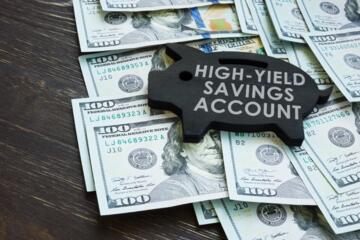
Maximizing stagnant cash reserves is a critical pillar of modern personal finance, yet many savers leave billions in unclaimed interest by sticking with traditional brick-and-mortar banks. High-yield savings accounts (HYSAs) offer a low-risk solution to combat inflation while maintaining immediate liquidity for emergencies or short-term goals. This guide explores how to strategically pivot from 0.01% returns to competitive rates exceeding 4.00%, ensuring your capital works as hard as your career.
Savings
How to Save Money on a Low Income
Strategic financial management on a limited budget requires a shift from deprivation-based thinking to systematic resource optimization. This guide provides a blueprint for individuals earning below median wages to build a safety net, reduce recurring liabilities, and leverage modern digital tools for maximum capital efficiency. By implementing high-impact adjustments in housing, food procurement, and banking habits, readers can transform a paycheck-to-paycheck cycle into a sustainable path toward fiscal stability.
Savings
The 50/30/20 Rule Explained
This guide provides a comprehensive breakdown of a time-tested framework for balancing immediate lifestyle needs with long-term wealth accumulation. Designed for professionals and households struggling with inconsistent savings, it offers a granular look at how to categorize expenses effectively. By implementing this logic, you move from reactive "paycheck-to-paycheck" survival to proactive capital allocation, ensuring that every dollar serves a specific purpose in your broader economic strategy.
Savings
How to Automate Your Savings
This guide provides a technical roadmap for individuals looking to eliminate the psychological friction of wealth building by implementing automated financial systems. We address the common failure point of manual budgeting—decision fatigue—and replace it with a rigorous infrastructure of recurring transfers and smart logic. By the end of this article, you will have a blueprint for configuring your banking ecosystem to prioritize long-term net worth without active daily intervention.