How Banks Review Charges
Banks process thousands of charge requests daily, evaluating each against specific criteria. For example, a Visa transaction undergoes authorization checks that typically complete in under two seconds. Despite the speed, approving or denying a charge involves complex rules combined with real-time data analysis.
Banks consider factors like account balance, card status, and merchant category when reviewing a charge. Transaction velocity also matters; if a card shows multiple high-value purchases within seconds, the bank may flag this for review. For instance, Mastercard reported that nearly 80% of unauthorized transaction declines result from automated fraud detection triggers rather than the lack of funds.
These decisions affect credit and debit cards, wire transfers, and even ACH payments — although ACH tends to follow longer verification timelines. Banks assess charges based on risk models and historical patterns tailored by the card network and internal rules.
Common Pitfalls and Effects
Many consumers wrongly assume declined charges mean an error on the merchant side. However, declines often stem from bank-side algorithms or outdated account info. A common mistake is ignoring alerts from the bank about suspected fraud or card blocks, which leads to confusion during purchase attempts.
Declined charges disrupt customer experiences and can lead to lost sales for merchants. For businesses, frequent declines might signal elevated risk, affecting merchant account terms or payment gateway access. In one case, a retailer lost 3% in monthly revenue due to increased charge declines after changing fraud prevention software.
Ignoring transaction patterns can escalate issues. When accounts show repeated attempts with incorrect PINs or suspicious locations, banks tighten scrutiny, sometimes triggering declines without clear explanations.
Handling Charge Approval Risks
Know Your Account Status
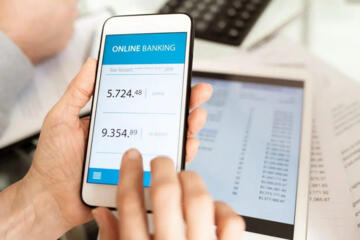
Check balances before high-value purchases; banks reject charges if funds are insufficient. Real-time balance updates aren’t always instant, so delays harm. Using mobile apps or SMS alerts helps track available funds faster than calling customer service.
Update Card Information Promptly
Expired or reported lost cards automatically fail charge attempts. Update card details immediately with merchants and digital wallets to avoid declines. Most issues start from outdated data, an avoidable friction point.
Avoid Unusual Transaction Patterns
Make purchases gradually instead of multiple high-ticket buys in quick succession. Systems flag rapid spending spikes as suspicious. For example, American Express flagged accounts after more than three transactions over $500 within five minutes, blocking further attempts temporarily.
Use Verified Payment Methods
Methods like 3D Secure reduce declines by authenticating users during checkout. Banks prefer these since risks drop when cardholder identity verifies correctly. Visa Secure and Mastercard Identity Check increased approval rates by over 20% in tests by some online retailers.
Communicate With Your Bank
Notifying banks ahead about travel, large purchases, or new vendors prevents declines. Many banks offer quick phone or app alerts to mark accounts safe temporarily, removing automatic flags. I remember a client in 2019 who avoided a testing trip’s card block by this simple step.
Monitor Fraud Alerts
Banks send texts or emails for suspicious charges; respond promptly to avoid auto-declines. Ignoring alerts often triggers blocks until manual review occurs, which delays transactions for days.
Check Merchant Reliability
Banks decline charges from high-risk merchant categories or known fraudulent entities. Choosing well-regarded merchants with valid payment processing credentials lowers the chance of declines on legitimate purchases.
Use Lower-Risk Channels
In-person or chip-based transactions see fewer declines than online or CNON (Card Not Present) payments, which peak in fraud rates—close to 2.4% in 2023 per Nilson Report data.
Review Card Limits Regularly
Know daily spend or per-transaction limits. A charge over the card limit triggers an immediate decline. Many cards default to a $2,500 daily cap, but this varies widely.
Examples of Charge Approval
A mid-size e-commerce brand noticed 12% of daily charges declined after rolling out a new payment gateway in March 2023. The issue: the gateway’s fraud filters flagged transactions over $1,000 aggressively. After recalibrating rules to accept verified 3D Secure payments and notifying customers ahead, declines dropped to 4%, recovering additional $40,000 monthly revenue approximately.
Another example: a frequent traveler’s card blocked $3,500 in hotel charges on a single day in July 2022. The bank's system detected unusual geolocations and volume, then declined the transactions. After the traveler alerted their bank via app message, charges cleared within 10 minutes, avoiding inconvenience but highlighting the system’s rigid rule set.
Approval Factors Checklist
| Factor | Description | Impact | Example |
|---|---|---|---|
| Available Funds | Amount of money in account or credit limit | Charge declines if insufficient | Balance: $1,200; Attempted charge: $1,500 |
| Card Status | Active, expired, lost, or stolen card | Expired or blocked cards auto-decline | Expired card after 12/22 |
| Fraud Patterns | Suspicious transaction behavior flagged by system | High risk results in blocks | Multiple $500+ buys in 3 mins |
| Merchant Risk | Merchant category and reputation | High-risk merchants trigger declines | Unverified online auction sites |
| Card Limits | Daily and per-transaction caps | Charges above limits decline | Daily limit $2,000; charge $2,500 |
Errors to Avoid
Failing to keep contact details updated leads to missed fraud alerts and blocked cards. Checking balances minutes before purchase, not days prior, saves unexpected declines, given connection lags banks face especially after weekends. Ignoring bank notifications is a classic issue, yet real changes follow prompt user action. Don’t dismiss unknown phone numbers or emails from financial institutions — phishing is common, but real alerts require confirmation.
Assuming every decline is merchant fault also causes needless disputes that delay problem resolution. Lastly, relying solely on merchant fraud systems without interacting with your bank leaves gaps vulnerable to false positives.
FAQ
Why was my card declined even with enough money?
Besides funds, your card may be flagged for suspicious activity, expired, or blocked by the bank’s fraud system, causing declines despite balance.
How fast do banks respond to transactions?
Most authorization requests complete within 1-3 seconds, but complex reviews can delay final approval by minutes or longer.
Can notifying my bank prevent declines?
Yes. Informing your bank about travel or large planned purchases helps avoid automated fraud blocks.
Do online and in-store payments differ in approval rate?
In-store payments usually get approved more easily due to card-present verification and chip security, unlike higher-risk online transactions.
What role does 3D Secure play in approvals?
3D Secure adds identity verification during checkout, increasing approval chances by reducing fraud risk.
Author's Insight
I've handled numerous disputes and charge declines both for clients and internal banking systems since 2015. Delays rarely stem from a single factor; instead, multiple micro-factors combine to prompt decline decisions. The best advice I can give is proactive communication with your bank—skip that and you invite frustration. Also, tracking spending patterns daily helps catch an impending decline before it happens, a simple habit many overlook. And yes, sometimes, the system just plain errs, but solid preparation mitigates most hassle.
Final Thoughts
Banks approve or decline charges based on funds, fraud detection, card status, limits, and merchant risk. Understanding these factors reduces declined transactions and improves payment success. Update your card info regularly, notify banks before large or unusual spending, and respond quickly to fraud alerts. Regularly monitoring your account activities makes a tangible difference in maintaining smooth payment experiences.