Basic Card Overview
Debit and credit cards often look similar—plastic cards with chip and magnetic stripes—but their functions differ drastically. Debit cards typically link directly to your checking account. When you swipe or tap, the funds leave your balance immediately. For example, over 75% of adults in the U.S. used a debit card for purchases in 2023, reflecting their popularity for daily spending.
Credit cards, however, create a borrowing mechanism. They let you spend money up to an approved limit, but the actual payment is deferred. You receive a bill for all charges later, usually monthly. A key fact: the average credit card debt per household was about $5,700 in 2023, highlighting the risk of losing control.
The core difference is timing: debit uses your own money immediately, credit uses borrowed money within a billing cycle.
Common Misunderstandings
People often confuse debit and credit cards as identical payment tools without weighing their consequences. This misunderstanding leads to overspending or unexpected fees. For instance, using a debit card abroad may incur fees from currency conversion plus penalties if your account lacks sufficient funds.
Many users think credit cards cause debt only when balances aren’t paid, but the reality is more complex. Credit utilization ratio impacts credit scores—a factor in mortgage or rental applications—often overlooked by casual users. Mismanaged credit cards can also trigger late fees exceeding $40, and interest rates averaging 16% per annum, quickly ballooning balances.
Having both offers flexibility but requires knowing when to use which. Failure to grasp this affects credit health and budgeting.
Practical Card Tips
Choose Spending Based on Funds
Use debit cards for expenses you can cover immediately. This reduces risk of overdraft fees; Chase Bank listed an average overdraft cost of $34 per transaction last year, which may catch users unaware. Debit keeps spending in check—no borrowed money to repay.
Leverage Credit for Rewards
Credit cards often provide rewards like cashback or travel points. For example, the Chase Sapphire Preferred offers 2X points on travel and dining. Select cards with benefits matching your lifestyle and pay the full balance monthly to avoid interest.
Monitor Card Activity Regularly
Check transactions weekly to spot fraud or unauthorized charges. Many banks like Wells Fargo push instant alerts via mobile apps. Quick detection saves money and headache.
Understand Fees and Penalties
Debit cards may have ATM withdrawal limits or fees; for example, Bank of America charges $3 for out-of-network ATMs. Credit cards can charge annual fees—AmEx Platinum charges $695 in annual fees, balanced by premium benefits. Knowing fee structures helps avoid surprises.
Mind Credit Utilization
Keep credit usage below 30% of your limit to maintain healthy scores. If your limit is $5,000, spending over $1,500 can drop scores. Credit Karma reports utilization as a top 35% factor in scoring models.
Set a Budget and Stick
Both cards enable digital tracking. Tools like Mint or YNAB integrate card transaction data, letting you set against income goals. Discipline stops debt creep when using credit cards.
Use Security Features
Turn on two-factor authentication and chip technology when available. Debit cards lacking chip support in 2024 risk fraud. Credit cards usually mandate PINs or signatures, adding a security layer.
Tap and Contactless Concerns
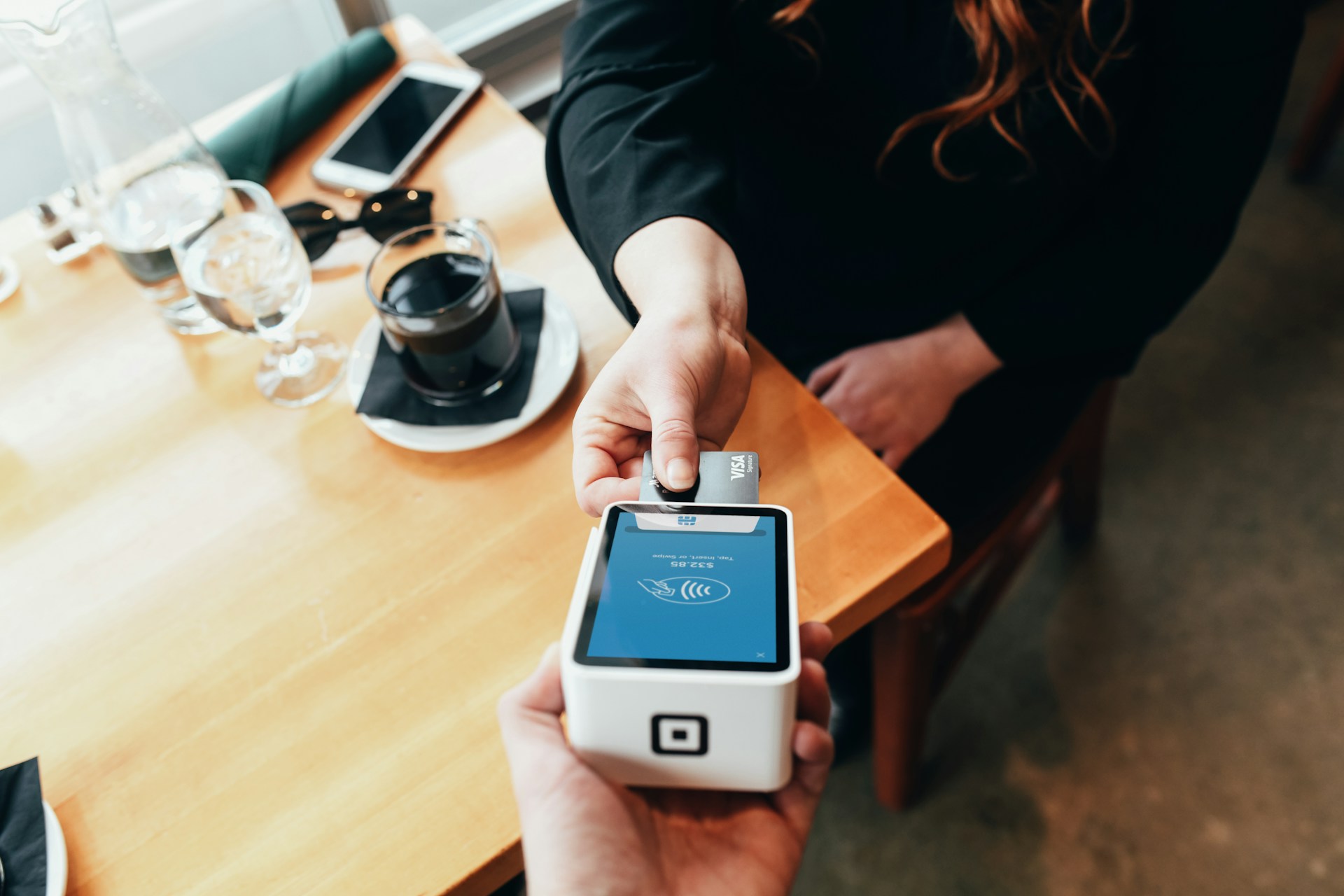
Contactless payments speed checkout but might trigger multiple quick charges if a terminal glitches, which, frankly, most people skip verifying. Always review receipts immediately.
Keep Emergency Funds Separate
A credit card with a low utilization rate acts as a safety net for unplanned expenses. Meanwhile, a debit card drain means no fallback. Allocate an emergency credit line but use cautiously.
Real-Life Comparisons
A freelancer in Brooklyn, struggling with irregular payments, used a debit card exclusively. When an unexpected $1,200 car repair appeared, she had no immediate funds—leading to stress and missed deadlines. After adding a credit card with zero interest for 12 months, she managed repairs without dipping into savings. The credit score improved gently, rising by 15 points over six months.
A small business in Austin used debit cards for monthly expenses but lacked rewards or protections. By switching to a business credit card with 1.5% cashback on all purchases, they earned about $500 back monthly on $33,000 spending. At the same time, they tracked expenses better using integrated accounting tools like QuickBooks.
Card Feature Comparison
| Feature | Debit Card | Credit Card | Examples |
|---|---|---|---|
| Funds Source | Own Account | Borrowed Credit | Chase Debit, Capital One Debit |
| Interest Charges | None | On unpaid balance | AmEx, Citi Cards |
| Fees | ATM, overdraft | Annual, late | Fee varies |
| Credit Score Impact | No impact | Yes, major | N/A |
| Rewards | Rare | Common | Chase Sapphire, Discover |
Top User Errors
Many swipe credit cards blind to balances, assuming they don't owe until bills come. This leads to interest and lower scores. Meanwhile, using debit cards without monitoring balance causes overdraft fees that add up fast.
Ignoring rewards on credit cards leaves money on the table. Some avoid credit cards fearing debt but miss advantageous protections like purchase insurance.
Mismatching card with spending purpose causes troubles. Using a credit card to pay for daily small expenses without a plan produces a snowball effect on interest. A single late payment can impose a penalty APR—sometimes 29.99%.
Prevent these by automatic payments, alerts, and realistic budgets.
FAQ
How does debit affect credit score?
Debit card usage does not affect credit scores because it draws from your own bank account and is not reported to credit bureaus.
Can I use a credit card like a debit card?
You can use credit cards for purchases directly, but you borrow money, which must be repaid with interest if unpaid by due date.
Are debit cards safer than credit cards?
Credit cards usually offer better fraud protection and stronger recovery options than debit cards, which may tie directly to your checking funds.
What fees are common on debit cards?
ATM fees, overdraft fees, and maintenance fees are common with debit cards depending on your bank and usage.
Does using credit cards help build credit?
Yes, responsible credit card use reported to bureaus builds and maintains your credit history and score.
Author's Insight
Over years working in financial services, I've seen clients trip over card confusion. One must choose based on cash flow, risk tolerance, and financial goals. I recommend always having both but mastering one at a time. Personal experience shows that tracking every transaction with digital tools—like the Yodlee engine behind many apps—makes all the difference.
Don't blind use credit; it hides costs easily. Debit cards carry less risk but don't build your credit story.
What to Remember
Debit cards pull directly from funds available, preventing debt but potentially causing overdraft fees. Credit cards let you borrow with interest and impact credit scores—use wisely to gain perks without penalties. Regular monitoring, budgeting, and understanding your card terms shape smarter spending. Match card choice to your financial habits and watch balances, fees, and rewards closely for best results.