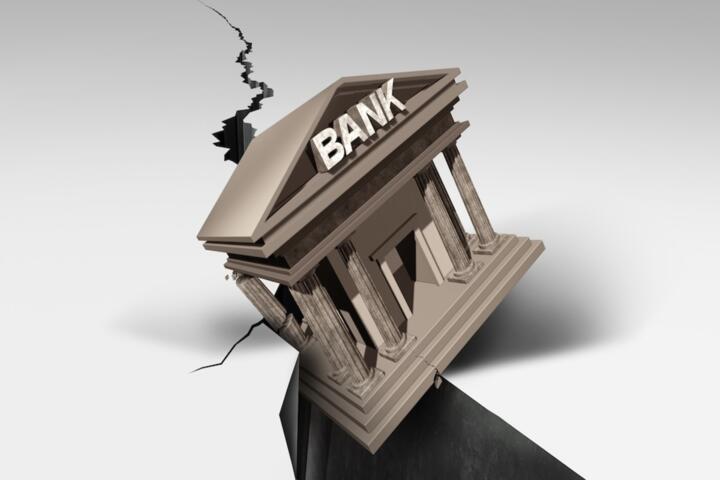
What Happens To Deposits
A bank failure usually triggers a legal process where regulators take control of the failed institution and transfer certain assets and liabilities to a new entity. Your money may move to a different bank, or it may be paid out through a deposit insurance fund, depending on the country and the type of institution. The key practical question is not whether your account “disappears,” but which legal bucket your deposit falls into and who becomes responsible for it.
In the United States, the Federal Deposit Insurance Corporation (FDIC) generally covers deposits at FDIC-insured banks up to the insurance limit per depositor, per insured bank, per ownership category. If the bank is insured and the failure is handled by the FDIC, many customers get access to insured funds quickly through deposit insurance payouts or deposit transfers. If the bank is not insured, or if you hold uninsured amounts, the timeline and recovery can look very different.
Even when insured, access can be interrupted for a short period. Checks may clear slowly, debit cards may stop working, and online banking logins can change when the receiver takes over. I’ve seen people assume “insured” means “instant,” then get surprised by a weekend or a system cutover date—like a Friday closure that pushes updates into the next week.
Common Misunderstandings
People often mix up three separate ideas: deposit insurance coverage, the bank’s solvency, and the legal status of different account types. Deposit insurance typically covers deposits, not every financial product sold by the bank. A bank can fail while still having some assets that are sold to another institution, but that does not automatically mean every customer claim is paid at full value.
Another frequent misunderstanding is assuming that “my money is safe because I have a balance.” The balance matters, but the ownership category matters too. Joint accounts, trust accounts, retirement accounts, and single accounts can be insured under different rules. If you have multiple accounts at the same failed bank, the insurance calculation may aggregate them, and the coverage limit applies per depositor per bank per category.
Supporting technologies also shape what you experience during a failure. Payment networks (ACH, card networks, wire systems) rely on the receiving institution’s routing details, and those details can change after a transfer. Core banking systems and fraud monitoring rules can be reconfigured, which is why some customers see temporary holds or reversed transactions. The receiver’s operational plan—often dated and staged—drives how quickly access returns.
Loan customers face different mechanics. Your obligation to repay a loan usually continues, but servicing can change. If your mortgage or auto loan is sold to another servicer, the payment address and portal may change, and autopay can fail if you don’t update it. People sometimes wait for a “new contract” email; in practice, the receiver or the acquiring institution may publish instructions on a specific timeline.
How To Protect Yourself
Check Insurance Coverage First
Start by confirming whether your bank is insured and what limit applies. In the U.S., FDIC coverage is generally up to $250,000 per depositor per insured bank per ownership category. Use the FDIC’s tools or your bank’s disclosures to verify insurance status, then compare your balances by ownership category. If you hold more than the limit, consider spreading funds across multiple insured banks or ownership categories before a failure happens.
If you’re outside the U.S., coverage rules differ by country and institution type, so look for the local deposit insurance scheme. Some countries insure only certain institutions, and some have different payout limits or waiting periods. When evidence is unclear, the safest approach is to treat uninsured portions as a claim in receivership rather than as “guaranteed cash.”
Keep Records and Payment Proof
Gather account statements, routing numbers, and recent transaction confirmations. Save screenshots or PDFs of your balance and ownership details, and keep a list of payees tied to autopay. During a failure, access to online banking can change quickly, and you may need documentation to resolve disputes about returned payments or timing.
For loans, record your current servicer name, loan number, and the payment address used for checks. If autopay is active, verify whether it is tied to a bank account that might change. I’ve noticed that people often store only the bank’s app login, not the underlying loan account identifiers, which makes follow-up slower when systems switch.
Watch Official Receiver Updates
After a failure, rely on official communications from the deposit insurer or the receiver, not social media posts. In the U.S., the FDIC typically publishes information about the failure, including whether deposits will be transferred to another bank or paid out. The receiver may also provide instructions for uninsured claims, which can take longer to resolve.
Track the timeline for access to insured funds and any required steps. Sometimes you do nothing and the transfer happens automatically; other times you must re-establish access at the acquiring institution. If you receive a letter or email with a specific “effective date,” treat that date as the operational truth, even if your old login still works for a day or two.
Plan for Uninsured Amounts
If you have balances above the insurance limit, plan for a recovery process rather than immediate repayment. Uninsured deposits are typically handled as claims in receivership, and recoveries depend on asset sales and the receiver’s distribution schedule. That schedule can stretch over months or years, and the recovery percentage can be less than 100%.
For large balances, consider a pre-failure approach: split funds across multiple insured banks, use money market funds where appropriate, or adjust how you hold cash. Money market funds are not the same as bank deposits, so coverage and risk differ; treat them as separate products with their own rules.
Educational Case Examples
FDIC-Insured Checking Transfer
In a hypothetical scenario, a customer holds $120,000 in a single checking account and $90,000 in a savings account at the same FDIC-insured bank. The combined total is $210,000 for that ownership category, which stays within the $250,000 limit. After the bank fails, the receiver transfers deposits to a different bank, and the customer receives new online banking credentials for the acquiring institution. Debit card access may stop briefly during the system cutover, then resume once the new bank’s systems go live.
The customer also has a $300 overdraft line linked to the checking account. That credit product may be restructured or moved, and the customer should watch for updated terms and payment instructions. The customer’s main risk is operational disruption, not loss of insured funds.
Uninsured Portion and Delayed Recovery
In another scenario, a household keeps $400,000 in a single ownership category at one insured bank. The first $250,000 is insured under the applicable rules, while the remaining $150,000 is uninsured. After failure, the insured portion is transferred or paid quickly, but the uninsured portion becomes a claim. The household receives a notice describing how to file a claim or how the receiver will handle it, and the payout timing depends on asset recovery.
During the delay, the household may still need to manage bills and rent. They reduce risk by using an alternate account for essential payments and by keeping documentation of balances and ownership category so the claim process does not stall on missing information.
Coverage Checklist and Table
| Item | Typical Treatment | What You Should Do | Common Surprise |
|---|---|---|---|
| Insured deposits | Often transferred or paid under deposit insurance rules | Verify ownership category and balance totals | Temporary access interruptions during system cutover |
| Uninsured deposits | Handled as claims in receivership; recovery varies | Watch receiver instructions and keep records | Delayed payout and possible partial recovery |
| Brokerage investments | Not the same as bank deposits; separate protections may apply | Confirm account type and custodian | People assume deposit insurance covers securities |
| Loans | Repayment obligation usually continues; servicing may change | Update autopay and verify payment address | Payments sent to the old address get delayed |
Quick step-by-step checklist: (1) confirm whether your institution is insured and identify the ownership category for each account, (2) total balances per ownership category at that bank, (3) keep a record of routing numbers and loan servicer details, (4) set a backup payment method for essential bills, and (5) follow official receiver updates for payout or transfer instructions.
Common Mistakes
One mistake is assuming that “bank failure” automatically means “all money is lost.” Deposit insurance and transfer mechanisms exist, but they apply to specific account types and ownership categories. Another mistake is treating every product sold by a bank as a deposit. Certificates of deposit, checking, and savings can be deposits, while brokerage holdings and annuities follow different protection rules.
People also underestimate operational disruption. A failure can change routing numbers, card controls, and online banking access, which can break autopay schedules. If you rely on one account for rent, utilities, and payroll deductions, you can end up with returned payments even when your insured funds remain safe.
A third mistake is waiting for a “confirmation” message before acting. Receivers often publish instructions on a specific date, and the window for certain actions can be short. If you have a claim process, missing documentation can slow it down, and the receiver’s system may not accept late submissions.
FAQ
Will My Checking Account Be Frozen?
Your access can be interrupted during the failure and transfer process. Insured deposits are often transferred or paid under the deposit insurer’s plan, but debit cards, online logins, and ACH timing can change for a short period.
Does Deposit Insurance Cover All Bank Products?
Deposit insurance generally covers deposits such as checking, savings, and certain certificates of deposit. It usually does not cover securities, mutual funds, or other investments held in brokerage accounts, which follow separate rules.
How Long Does It Take to Get Insured Money?
Timelines vary by country and by the receiver’s plan. In the U.S., insured deposits are often made available quickly, but exact timing depends on whether the receiver transfers deposits to another bank or pays out through insurance.
What Happens to My Loan Payments?
Your repayment obligation typically continues, but servicing can change. You should watch for updated payment instructions and update autopay to the new servicer or payment address to avoid missed or misdirected payments.
What If I Have More Than the Coverage Limit?
The insured portion is handled under deposit insurance rules, while the uninsured portion becomes a claim in receivership. Recovery for uninsured amounts depends on asset sales and can take longer than insured payouts.
Author's Insight
Deposit insurance and receivership rules are legal mechanisms, not marketing promises, so the practical outcome depends on account type, ownership category, and the institution’s insurance status. In the U.S., FDIC coverage calculations and payout methods are documented, and the receiver’s published plan drives how customers regain access. The operational disruptions—routing changes, card controls, and autopay failures—often matter as much as the insurance limit for day-to-day life.
If you want a reliable personal plan, start with a balance-by-ownership-category inventory and keep a paper trail of account and loan identifiers. When a failure happens, follow official receiver or deposit insurer updates and treat them as the source of truth, even when your bank’s app still shows old information. I’m careful about timelines because they vary by case, and published dates can shift with operational realities.
Key Takeaways
Bank failures usually trigger a legal takeover that either transfers insured deposits to another institution or pays them under deposit insurance rules. Insurance coverage depends on account type and ownership category, not just your balance. Uninsured amounts typically become claims with variable recovery timing. Loan obligations usually continue, but servicing and payment instructions can change, so autopay needs attention. Keep records before anything goes wrong, then follow official receiver updates during the transition.