Understanding Bank Types
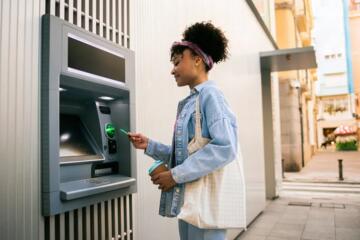
Banking falls into two general categories: online-only banks and brick-and-mortar institutions. Traditional banks operate physical branches where customers can visit to deposit cash, withdraw funds, or consult bank officers personally. In contrast, online banks function exclusively via digital platforms, with no physical locations. Ally Bank, Marcus by Goldman Sachs, and Chime serve customers fully through apps and websites.
During 2023, online banks saw a 17% increase in active users, driven by competitive interest rates and digital conveniences. Traditional banks, like JPMorgan Chase and Wells Fargo, still account for a larger share of deposits owing to their deep-rooted presence and broad services.
Common Issues Faced
Many underestimate the impact of branch access when choosing a bank. For people handling cash or requiring in-person help, online banking falls short. Conversely, some customers pay more fees in traditional banks due to legacy costs and overhead. Misjudging these factors can lead to wasted fees or poor service experiences.
The absence of physical interaction can exclude certain age groups or communities where digital literacy is limited or internet reliability is poor. Conversely, sticking with a traditional bank may mean accepting interest rates below 0.1%, which barely cushions inflation.
How to Choose Wisely
Evaluate fees closely
Identify monthly maintenance fees, overdraft charges, ATM costs, and wire transfer prices. Online banks often waive monthly fees altogether, saving users $5–15 monthly compared to traditional banks. For example, Discover Bank has no fees on checking accounts.
Consider interest rates offered
High-yield savings accounts prevail at online banks, sometimes offering above 3.5% APY compared to 0.01% at large traditional banks. That difference results in hundreds or thousands in interest yearly on typical savings balances.
Review digital tools and platforms
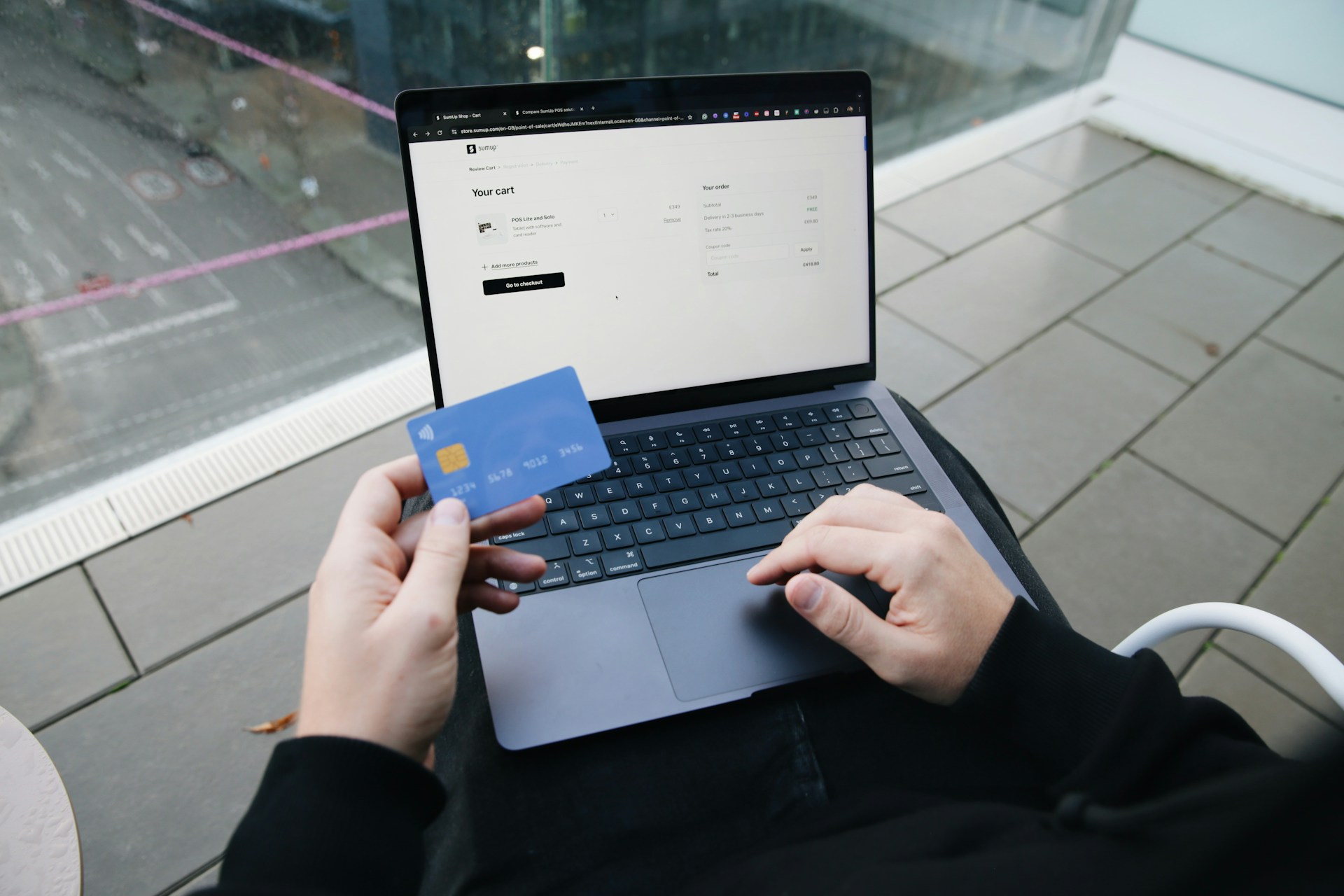
Test mobile app responsiveness, online statement access, and deposit ease. Banks like Capital One 360 have apps rated 4.8 stars on iOS. Intuitive apps speed common tasks such as mobile deposits and fund transfers.
Accessibility of physical branches
Users needing deposits in cash or personalized support prefer banks with branch networks. Some online banks partner with ATM networks, but cash withdrawal processes demand extra steps or fees.
Security protocols
Verify two-factor authentication availability, encryption standards, and FDIC insurance. Both banking types in the U.S. must carry FDIC insurance up to $250,000, but software quality and breach response may vary.
Customer service options
Traditional banks may offer in-person adviser consultation. Online banks compensate with 24/7 chat and phone support. Look at average wait times and resolution ratings; for instance, Ally Bank’s call wait averages less than 2 minutes.
Consider your financial habits
Those who rarely visit a bank branch but prioritize savings should lean online. Frequent in-branch transactions make digital-only impractical, though.
Test immediate fund availability
Some online banks delay check deposits 2–3 days longer than traditional banks, affecting liquidity. That’s frustrating if timing matters in bill payments.
Look for integrated financial services
Traditional banks often bundle mortgage, investment, and insurance services, easing portfolio management. Online banks sometimes rely on partnerships for these, introducing complexity but also options.
Real cases observed
A freelancer switched to online banking with SoFi checking in mid-2023. She cut $12/month in fees and earned 3.25% APY on her emergency fund instead of 0.02%. She reported saving around $150 annually just in fees and gaining $200+ in interest.
Meanwhile, a retiree stayed with Bank of America due to regular cash handling and safe deposit box needs. Although fees were $10 monthly with low interest returns, convenience and in-person help outweighed those costs for her lifestyle.
Bank Types Compared
| Feature | Online Banks | Traditional Banks | Examples |
|---|---|---|---|
| Branch Access | None | Many locations | Ally, Chime | Chase, Wells Fargo |
| Monthly Fees | $0–5 | $10–15 | Ally $0 | BofA $12 |
| Savings APY | Up to 3.5% | ~0.01% | Marcus 3.25% | Chase 0.01% |
| Customer Help | 24/7 chat, phone | In-person, phone | Ally, SoFi | Wells Fargo |
| Cash Handling | Limited | Easy with branches | Chime limited | BofA full |
Frequent Errors to Skip
Choosing a bank by brand name alone leads to missed savings. Many customers ignore comparing APYs and fees upfront, losing hundreds. Rushing to online banks without confirming cash handling needs invites problems, like surprise fees on ATM withdrawals.
Ignoring customer service availability or app quality causes frustration. A bank that rarely answers calls or whose app crashes costs productivity and peace of mind. Check these live before switching.
FAQ
Are online banks safe?
Yes, many online banks carry FDIC insurance and use strong encryption akin to traditional banks. However, their security depends on software updates and user vigilance with passwords.
Can I deposit cash at online banks?
Most online banks lack direct cash deposits. You may need to use ATM networks or third-party services, often with fees and delay.
Do online banks offer loans?
Several online banks provide personal loans and mortgages, sometimes with competitive rates, but product range is generally narrower than traditional banks.
Why do traditional banks have higher fees?
Physical branch upkeep, staff salaries, and legacy systems increase operating costs, which translate into fees and lower interest.
Is switching between bank types difficult?
Moving from one type to another requires updating payment info, transferring funds, and adapting to tech or service differences, but is usually straightforward.
Author's Insight
I switched to an online bank in 2022 and saved about $200 in fees within the first year, but missed the tactile certainty of cash transactions sometimes. Testing apps before committing is key. Customer support speed surprised me; some branches can’t keep up with digital teams.
Final Thoughts
Deciding between online and traditional banks depends on personal banking habits and priorities. Examine fees, interest, service options, and cash needs. Testing apps and reviewing real user feedback stops surprises. Choose based on your daily actions and financial goals, not just reputation or shiny marketing claims.