Strategic Liquidity: Why Cash Reserves Matter in 2026
An emergency fund is not merely a "rainy day" jar; it is a sophisticated risk-management tool designed to prevent the liquidation of long-term assets during market volatility. In financial planning, we define this as a liquid hedge against life’s unpredictable liabilities. Whether it’s a sudden $4,000 HVAC replacement or a six-month sabbatical necessitated by burnout, having immediate access to capital prevents the high-interest debt spiral.
Consider a freelance software developer earning $120,000 annually. Without a reserve, a two-month gap between contracts often leads to carrying a balance on a credit card with a 24% APR. Conversely, with a structured reserve, that same developer maintains their credit score and avoids interest penalties. Data from the Federal Reserve consistently shows that nearly 37% of adults would struggle to cover a $400 unexpected expense with cash—moving into the "prepared" minority is the first step toward true wealth.
The Pitfalls of Modern Cash Management
The most common error is "mental accounting," where individuals assume their available credit limit or a volatile brokerage account constitutes an emergency fund. Relying on a Robinhood portfolio or a Coinbase wallet for emergencies is dangerous; market corrections often coincide with economic downturns and job losses, forcing you to sell at the bottom.
Another pain point is the "low-yield trap." Keeping $30,000 in a traditional big-bank savings account earning 0.01% interest means your purchasing power is actively eroding due to inflation. Furthermore, many fail to account for "lifestyle creep." As income rises, the "six months of expenses" target becomes a moving goalpost that people rarely update, leaving them under-capitalized when a crisis actually hits.
Tactical Implementation of High-Liquidity Reserves
Building a resilient cash cushion requires a blend of automation, psychological barriers, and optimized fintech tools.
Optimizing High-Yield Environments
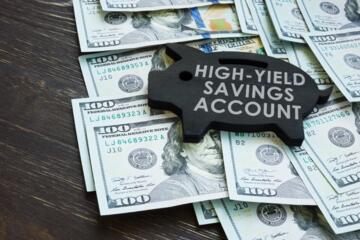
Don’t let your cash sit idle. Move your reserve to a High-Yield Savings Account (HYSA) or a Cash Management Account (CMA). Platforms like Wealthfront, Betterment, or Marcus by Goldman Sachs currently offer rates significantly higher than the national average. By capturing a 4.5% to 5.0% APY on a $25,000 fund, you generate over $1,200 in passive income annually—essentially a "bonus" for being prepared.
The Tiered Liquidity Strategy
Not all emergency money needs to be accessible within seconds. Use a tiered approach:
-
Tier 1: $2,000 in a standard checking account for immediate needs (car repairs).
-
Tier 2: 3 months of expenses in a HYSA (accessible in 1–2 business days).
-
Tier 3: 3+ months in a No-Penalty CD (Certificate of Deposit) or Vanguard Treasury Money Market Fund (VUSXX). This maximizes yield while keeping the principal safe.
Friction as a Feature
One of the most effective psychological hacks is to keep your emergency fund at a completely different institution than your primary checking account. If you use Chase for daily spending, keep your reserve at Ally Bank. The "out of sight, out of mind" principle reduces the temptation to dip into the fund for non-emergencies, like a last-minute vacation.
Automated Micro-Allocations
Instead of waiting for a "surplus" at the end of the month, treat your emergency fund as a mandatory bill. Use tools like Digit or Qapital to analyze your spending and automatically move small, unnoticeable amounts of money into your reserve. Alternatively, set up a direct deposit split through your payroll provider (e.g., Gusto or ADP) so 10% of every paycheck never even touches your spending account.
Recalibrating for Inflation and Cost of Living
Your fund must be dynamic. Every six months, review your fixed costs (rent, insurance, groceries). If your monthly burn rate has increased from $4,000 to $4,500, your six-month target must jump from $24,000 to $27,000. Neglecting this adjustment is a primary reason why "fully funded" individuals still feel financial strain during a crisis.
Resilience in Action: Real-World Scenarios
Case Study 1: The Tech Sector Layoff
Sarah, a mid-level project manager, maintained a $35,000 emergency fund (6 months of expenses) in a Wealthfront account. When her company downsized in early 2025, she didn't panic. Instead of rushing into the first low-paying job she found, she used her fund to cover three months of living costs while upskilling. She eventually landed a role with a 20% salary increase. The "cost" of her emergency fund was zero, but the "return" was a career upgrade.
Case Study 2: The Medical Emergency
The Rodriguez family had $15,000 saved when an unexpected surgery resulted in a $6,000 out-of-pocket maximum hit. Because they had the cash in a Betterment CMA, they paid the bill immediately, negotiated a 10% discount for cash payment, and avoided the 21% interest rates associated with medical credit cards like CareCredit.
The Emergency Fund Deployment Checklist
Use this structured plan to transition from zero to a fully-funded status.
| Step | Action Item | Target Metric | Recommended Tool |
| 1 | Define "Bare-Bones" Monthly Expenses | Rent + Food + Utilities + Debt | Tiller or YNAB |
| 2 | Establish "Starter" Fund | $1,000 - $2,500 | Local Credit Union |
| 3 | Select High-Yield Hub | Compare APY and FDIC insurance | Bankrate / NerdWallet |
| 4 | Automate Deposits | 10% to 15% of net income | Payroll Direct Deposit |
| 5 | Reach 3-Month Milestone | Total monthly expenses x 3 | Marcus or Ally |
| 6 | Maximize Yield (Tier 2) | Move excess to Treasury Bills | TreasuryDirect |
| 7 | Bi-Annual Review | Adjust for lifestyle changes | Calendar Reminder |
Common Mistakes to Avoid
A frequent blunder is "over-funding." While having 12 months of cash feels safe, it creates a massive "opportunity cost." If you have $100,000 sitting in a savings account when you only need $40,000 for emergencies, you are missing out on the compounding growth of the S&P 500 or total market index funds like VTSAX.
Another mistake is using the fund for "predictable" expenses. A car insurance premium that comes due every six months is not an emergency; it is a known expense. Create "Sinking Funds" for these items separately. Using your emergency reserve for a known bill weakens your defenses against true, random shocks.
Finally, many people forget to replenish the fund immediately after a withdrawal. If you spend $2,000 on a dental emergency, your new "priority one" in your budget must be returning that $2,000 to the fund before you resume discretionary spending or extra retirement contributions.
FAQ
How many months of expenses should I really save?
The standard is 3–6 months, but if you are self-employed, work in a volatile industry, or are the sole breadwinner, aim for 9–12 months. High-net-worth individuals often keep less in cash but maintain high "liquidity access" via lines of credit.
Is a Roth IRA a good place for an emergency fund?
It is a viable "Tier 3" option because you can withdraw your contributions (not earnings) tax-free and penalty-free. However, it should not be your primary source, as brokerage transfers take time and market drops could affect your balance.
Should I pay off credit card debt before building a fund?
Build a "starter" fund of $1,000 to $2,000 first. This prevents you from reaching for the credit card again the moment a small emergency happens. Once that base is set, aggressively attack high-interest debt (above 7% APR).
Where is the safest place to keep the money?
Any bank or credit union that is FDIC or NCUA insured. This guarantees your deposits up to $250,000 per account holder, protecting you even if the financial institution fails.
Can I use a Money Market Account (MMA) instead of Savings?
Yes. MMAs often come with debit card access or check-writing privileges, making them slightly more liquid than HYSAs, though the interest rates are usually comparable.
Author’s Insight
In my years analyzing personal cash flow, I’ve found that the psychological "peace of mind" dividend of an emergency fund far outweighs the 1% or 2% difference in potential investment returns. I personally maintain a "barbell" strategy: I keep $5,000 in a local checking account and the remainder of my 6-month reserve in a Vanguard money market fund. This ensures I never have to make a stressed financial decision. My best advice? Don't wait for a "good time" to start; even $20 a week via an automated app like Acorns builds the habit that eventually saves your financial life.
Conclusion
Building an emergency fund is the most critical defensive move in your financial playbook. By leveraging high-yield accounts, automating your contributions, and adopting a tiered liquidity strategy, you create a buffer that protects your investments and your mental health. Start by defining your monthly "survival" number, pick a high-yield home for your cash like Wealthfront or Ally, and automate the process today. Financial freedom isn't just about how much you earn; it's about how well you can withstand the unexpected.